Liberia, West Africa

Overview of Liberia’s Education Sector

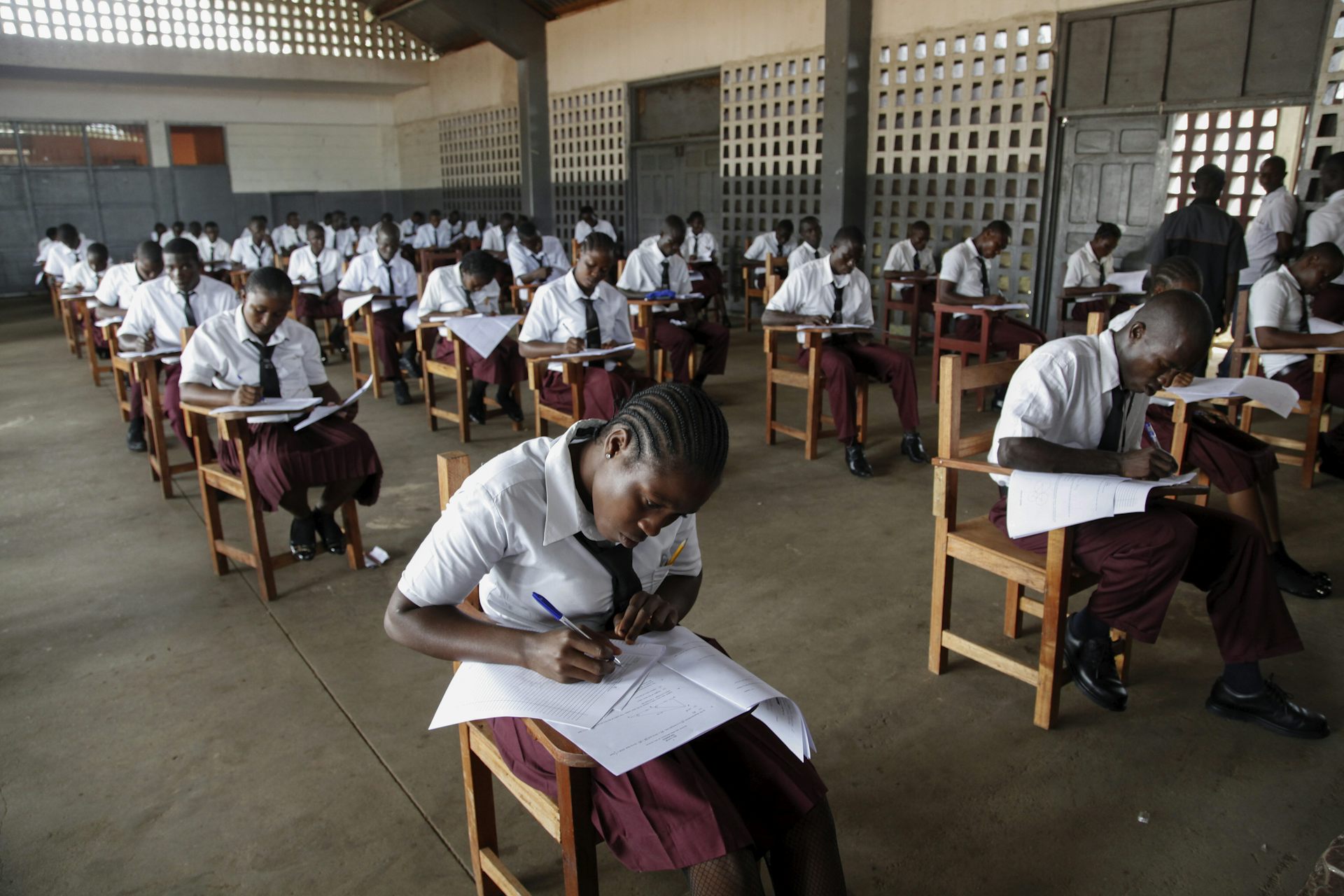
Liberia’s education system continues to face significant challenges due to the lasting effects of a 14-year civil war (1989–2003), the 2014 Ebola epidemic, the COVID-19 pandemic, widespread poverty, and limited investment in educational infrastructure. These crises disrupted learning for thousands of children, destroyed or damaged many school buildings, displaced qualified teachers, and weakened the country’s ability to provide quality education, particularly in rural communities. Although the Government of Liberia has made important progress in rebuilding the education sector, many children still lack equitable access to safe, quality learning opportunities.

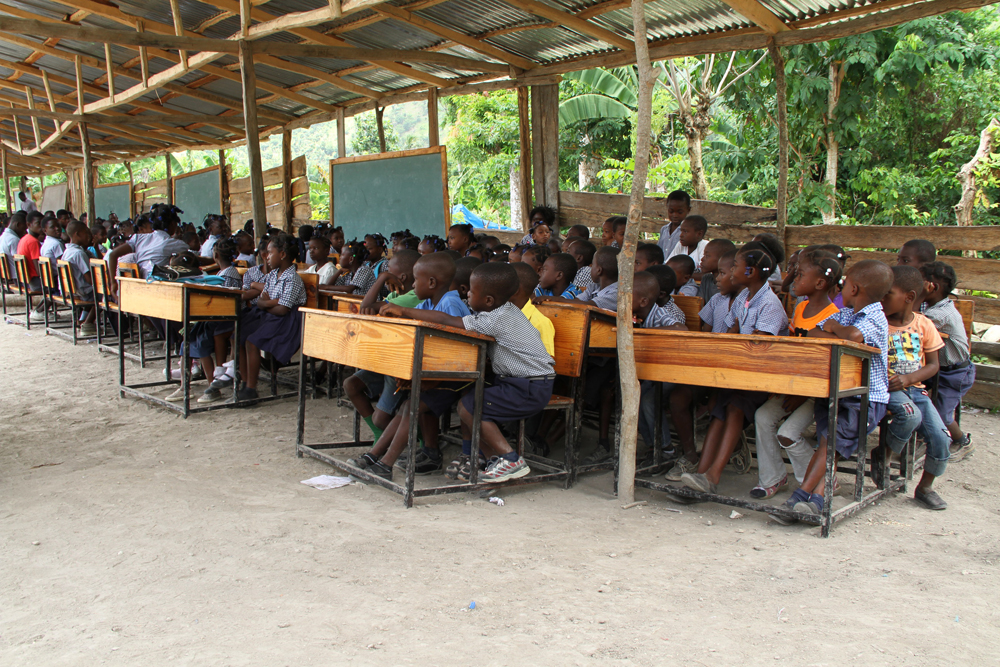
Rural schools are disproportionately affected by shortages of qualified teachers, overcrowded classrooms, inadequate learning materials, poor infrastructure, and limited access to electricity, technology, and safe transportation. Many children walk long distances to school, increasing absenteeism and dropout rates. Overage enrollment is also common, as many children begin school late or experience interruptions in their education, making them more likely to leave school before completing primary education. UNICEF reports that Liberia continues to have one of the highest rates of out-of-school children in the world, and only about half of children complete primary education.

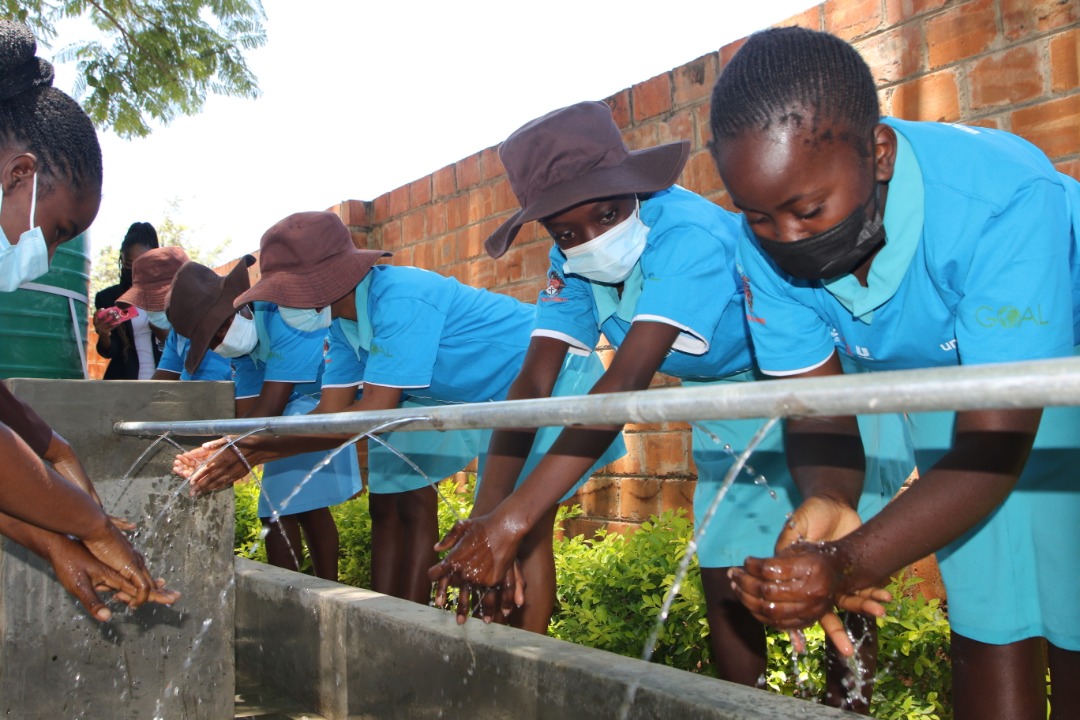
Unsafe water, sanitation, and hygiene (WASH) conditions further hinder educational outcomes. Many rural schools lack safe drinking water, functional toilets, handwashing facilities, and separate sanitation facilities for girls. These conditions contribute to illness, absenteeism, and reduced learning time. Adolescent girls are particularly affected because limited menstrual hygiene facilities and inadequate access to sanitary products often cause them to miss school during menstruation. Hunger and malnutrition also reduce students’ ability to concentrate and perform well academically, while the financial burden of uniforms, school supplies, transportation, registration fees, and other education-related expenses prevents many low-income families from keeping their children in school.

References

Plant a Child on Fertile Soil International seeks to create safe, inclusive, and supportive learning environments where every child can learn, thrive, and build a brighter future.

Overview of Liberia’s Education Sector

Liberia’s education system continues to face significant challenges due to the lasting effects of a 14-year civil war (1989–2003), the 2014 Ebola epidemic, the COVID-19 pandemic, widespread poverty, and limited investment in educational infrastructure. These crises disrupted learning for thousands of children, destroyed or damaged many school buildings, displaced qualified teachers, and weakened the country’s ability to provide quality education, particularly in rural communities. Although the Government of Liberia has made important progress in rebuilding the education sector, many children still lack equitable access to safe, quality learning opportunities.

Rural schools are disproportionately affected by shortages of qualified teachers, overcrowded classrooms, inadequate learning materials, poor infrastructure, and limited access to electricity, technology, and safe transportation. Many children walk long distances to school, increasing absenteeism and dropout rates. Overage enrollment is also common, as many children begin school late or experience interruptions in their education, making them more likely to leave school before completing primary education. UNICEF reports that Liberia continues to have one of the highest rates of out-of-school children in the world, and only about half of children complete primary education.

Unsafe water, sanitation, and hygiene (WASH) conditions further hinder educational outcomes. Many rural schools lack safe drinking water, functional toilets, handwashing facilities, and separate sanitation facilities for girls. These conditions contribute to illness, absenteeism, and reduced learning time. Adolescent girls are particularly affected because limited menstrual hygiene facilities and inadequate access to sanitary products often cause them to miss school during menstruation. Hunger and malnutrition also reduce students’ ability to concentrate and perform well academically, while the financial burden of uniforms, school supplies, transportation, registration fees, and other education-related expenses prevents many low-income families from keeping their children in school.

References

Plant a Child on Fertile Soil International seeks to create safe, inclusive, and supportive learning environments where every child can learn, thrive, and build a brighter future.

Plant A Child Support for the Education Sector

Plant a Child on Fertile Soil International is committed to addressing these barriers through holistic, community-centered programs that promote educational opportunity and child well-being. The organization will provide school supplies, uniforms, scholarships, and tuition assistance to reduce the financial burden on vulnerable families. It will establish school feeding programs to improve attendance, nutrition, and learning outcomes; support reading clubs, libraries, and mentorship programs to strengthen literacy and academic achievement; and implement School Health and WASH initiatives that improve access to safe drinking water, sanitation, hygiene education, and handwashing facilities. In addition, the organization will promote menstrual health education and distribute sanitary pads to help girls remain in school with dignity and confidence. By partnering with schools, communities, government agencies, and development partners, Plant a Child on Fertile Soil International seeks to create safe, inclusive, and supportive learning environments where every child can learn, thrive, and build a brighter future.

Our School Programs in Africa & Their Impact

We believe every child deserves the opportunity to learn, grow, and succeed in a safe and supportive environment. Our school-based programs are designed to remove barriers that prevent children and youth in Africa from reaching their full potential. Through education, health support, mentorship, and basic needs assistance, we help children stay in school, build confidence, and create brighter futures.

Education Support Programs

School Feeding Program

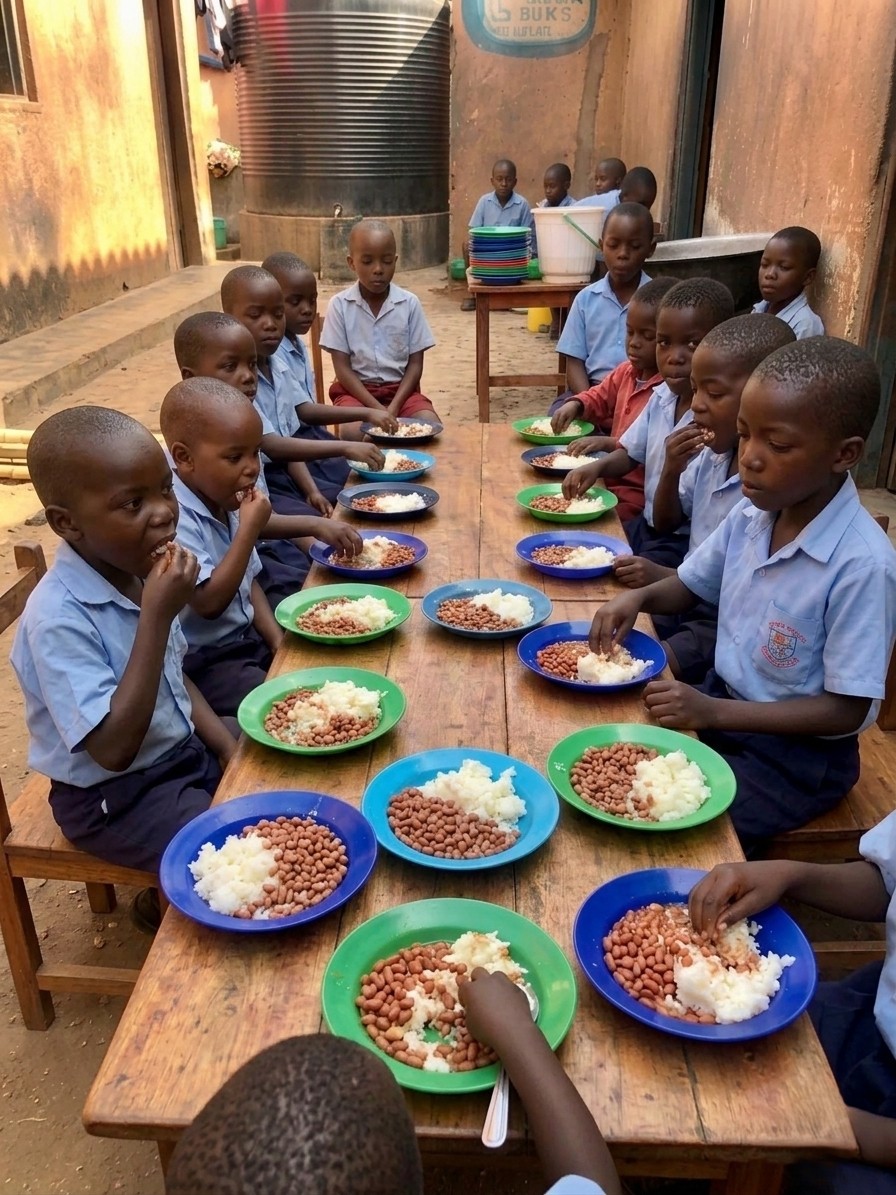
Many children in underserved communities attend school hungry, making it difficult to concentrate, learn, and actively participate in class. Our School Feeding Program provides nutritious meals to students during the school day to support their physical and academic development.

How This Program Benefits Children

• Improves concentration, learning, and classroom participation
• Encourages consistent school attendance
• Reduces absenteeism caused by hunger and poverty
• Supports healthy growth and child development
• Relieves financial pressure on struggling families
• Creates a better learning environment for students

By addressing hunger, children are better prepared to focus on their education and achieve academic success.

Education Support Programs

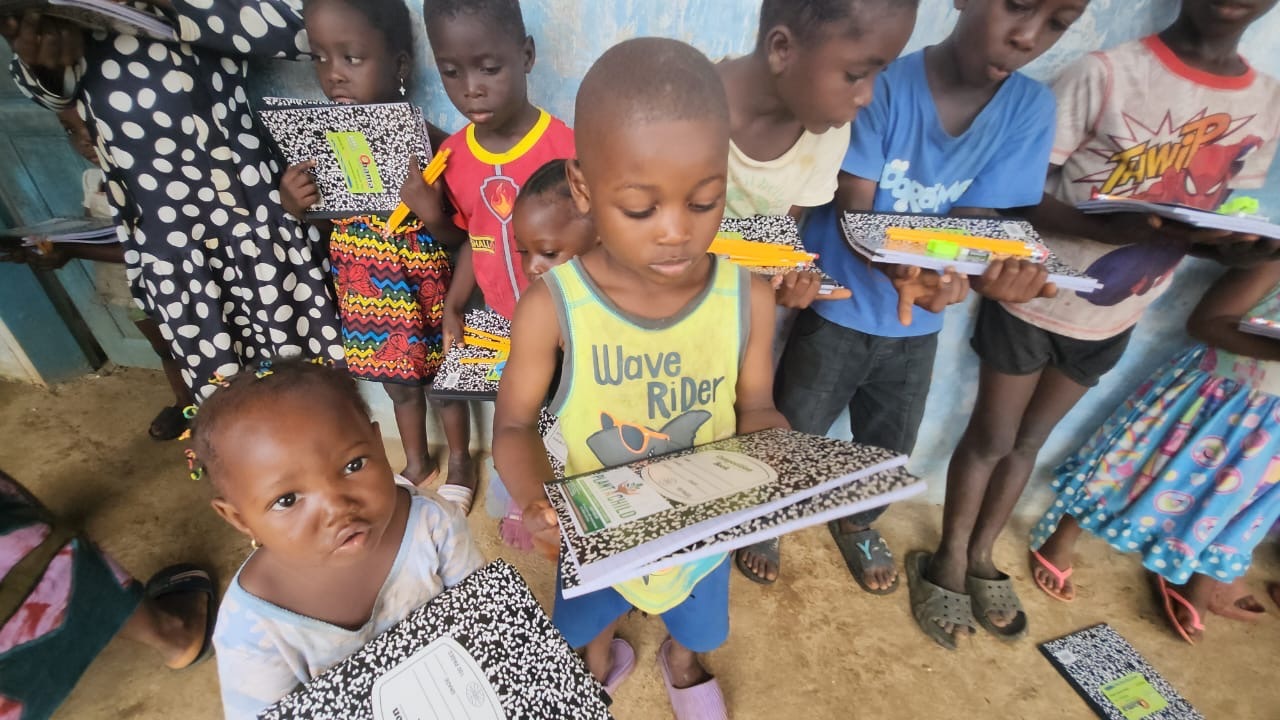
School Supplies Program

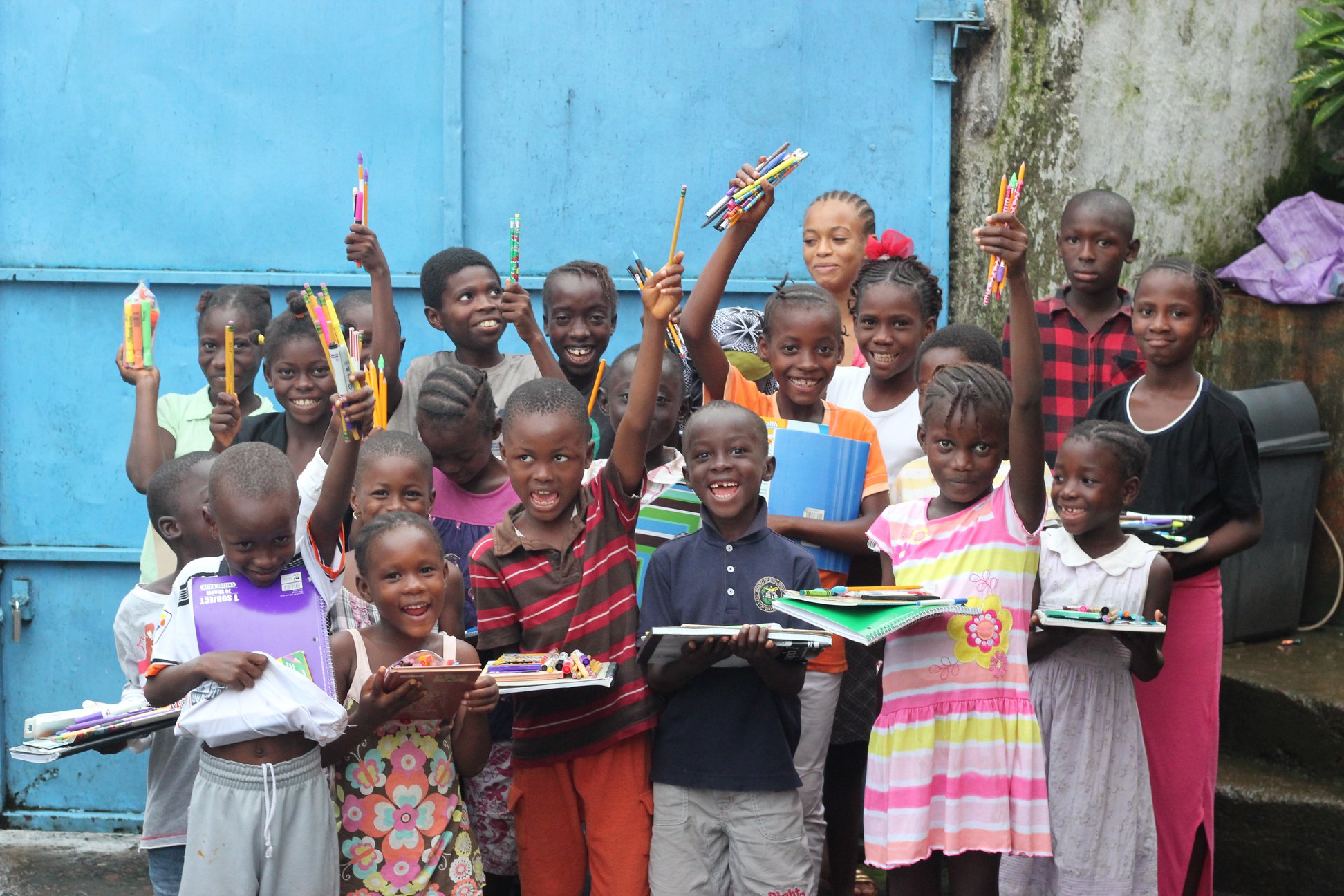
Many students lack basic educational materials such as notebooks, pencils, backpacks, uniforms, and textbooks. Our School Supplies Program helps equip children with the tools they need to learn confidently and participate fully in school activities.

How This Program Benefits Children

  • Increases student confidence and motivation
  • Improves classroom participation and academic performance
  • Reduces educational inequality among children
  • Supports families who cannot afford school materials
  • Encourages school enrollment and retention

Providing school supplies helps children feel prepared, valued, and ready to succeed.

Education Support Programs

School Closet Program

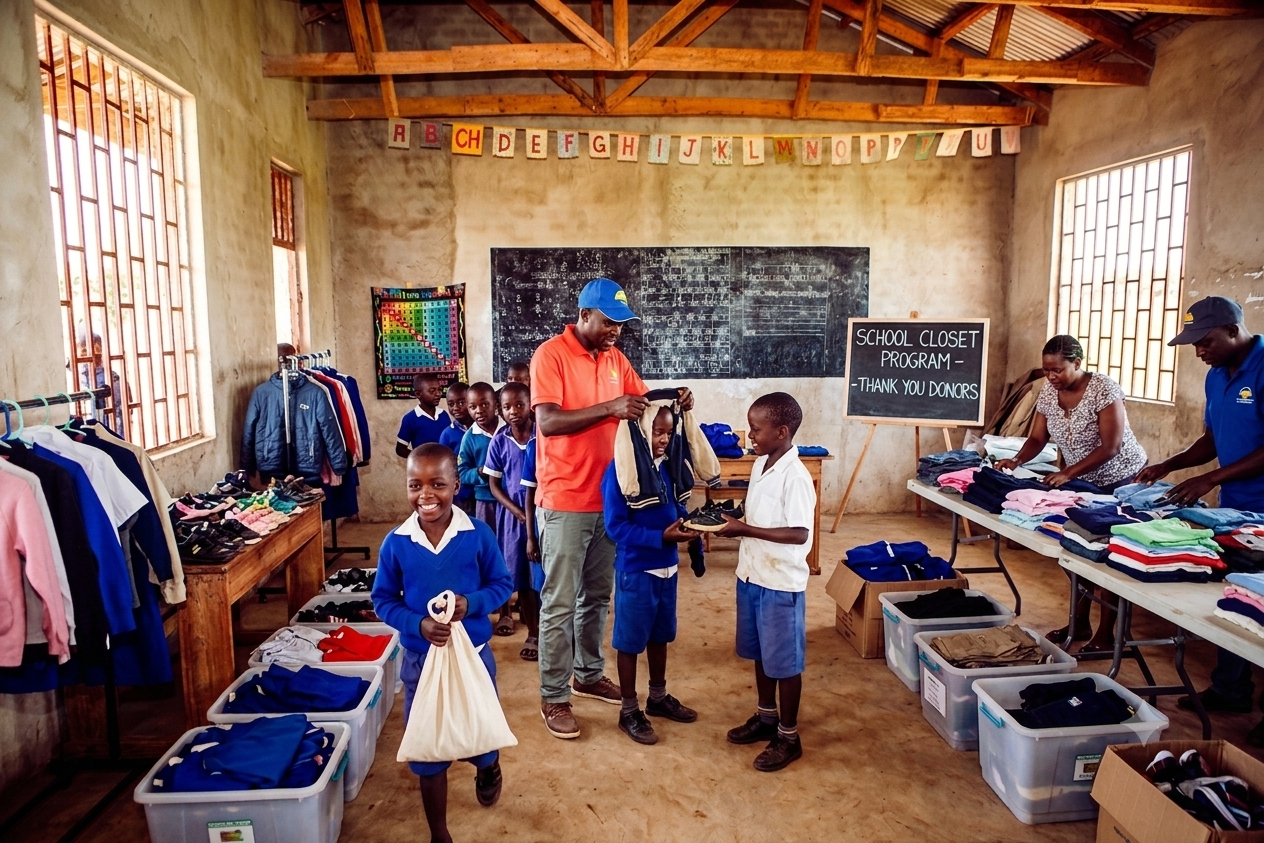
The School Closet Program provides clothing, shoes, hygiene products, and other essential items to children and youth facing economic hardship.

How This Program Benefits Children

  • Restores dignity and self-esteem
  • Reduces bullying and embarrassment caused by lack of proper clothing
  • Improves school attendance and participation
  • Help children maintain personal hygiene and wellness
  • Supports vulnerable students and families during difficult time

When children’s basic needs are met, they can focus more fully on learning and personal growth.

Literacy & Academic Enrichment Programs

Libraries & Reading Clubs

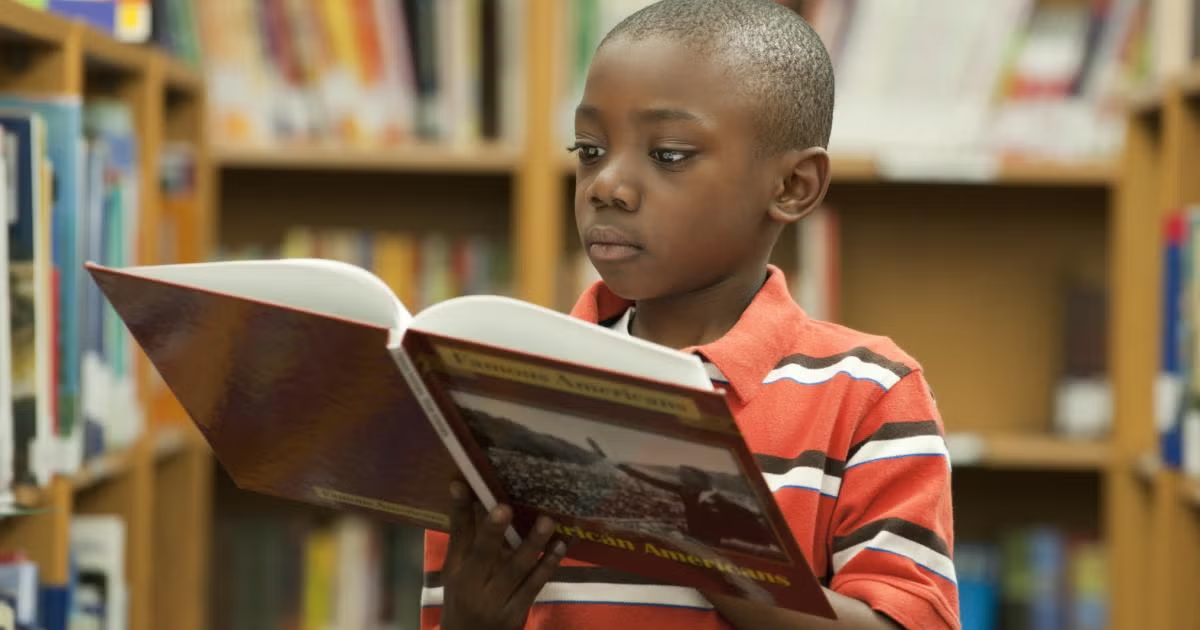
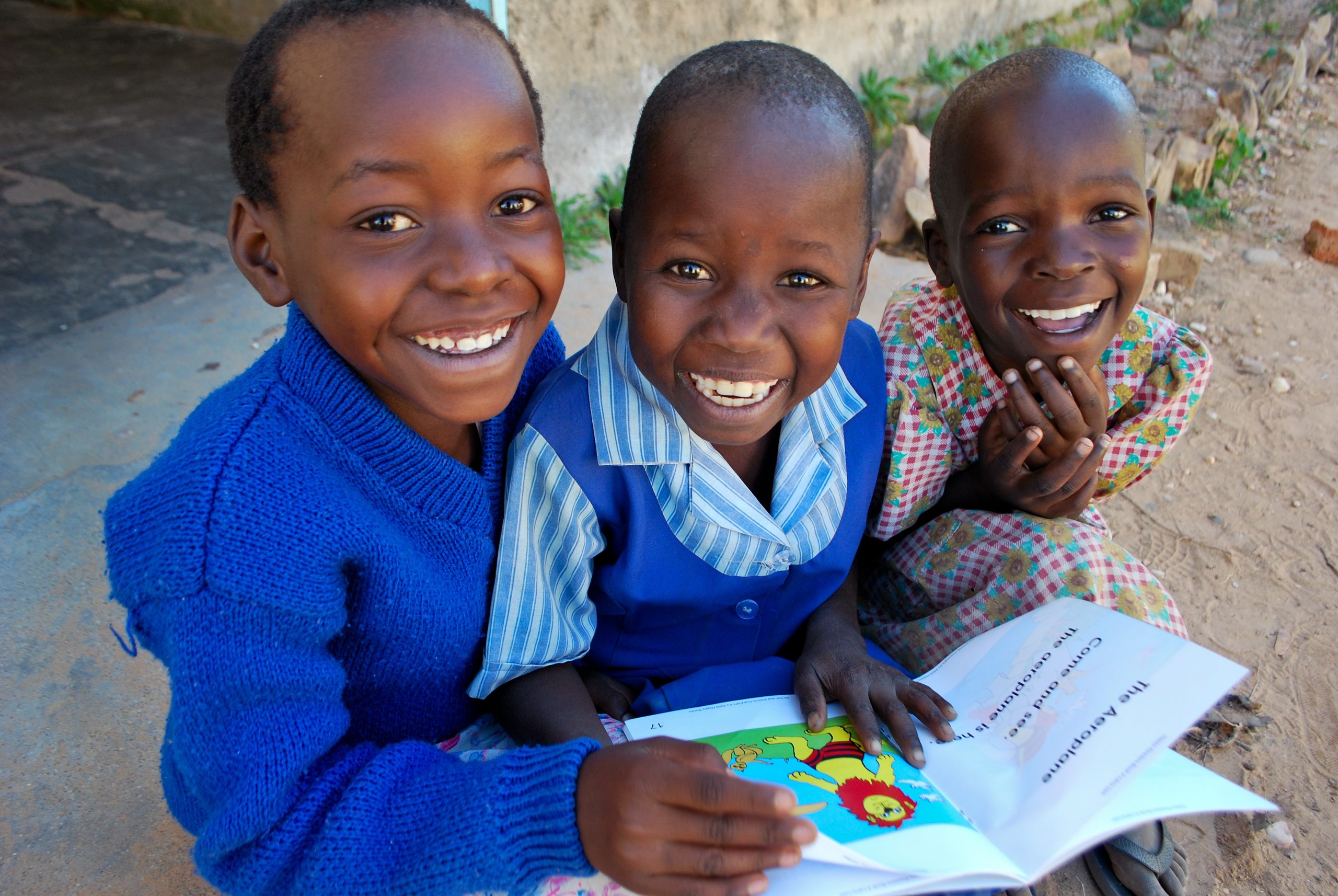
Access to books and literacy resources remains limited in many underserved communities. Our Libraries and Reading Clubs Program promotes a culture of reading, learning, creativity, and lifelong education.

How This Program Benefits Children & Youth

  • Strengthens reading and comprehension skills
  • Encourages a love for learning and education
  • Improves academic performance and communication skills
  • Expands imagination, creativity, and critical thinking
  • Provides safe spaces for learning and peer engagement
  • Helps reduce learning gaps among students

Reading programs empower children with knowledge and confidence that can transform their future opportunities.

Youth Development & Leadership Programs

Mentorship Program

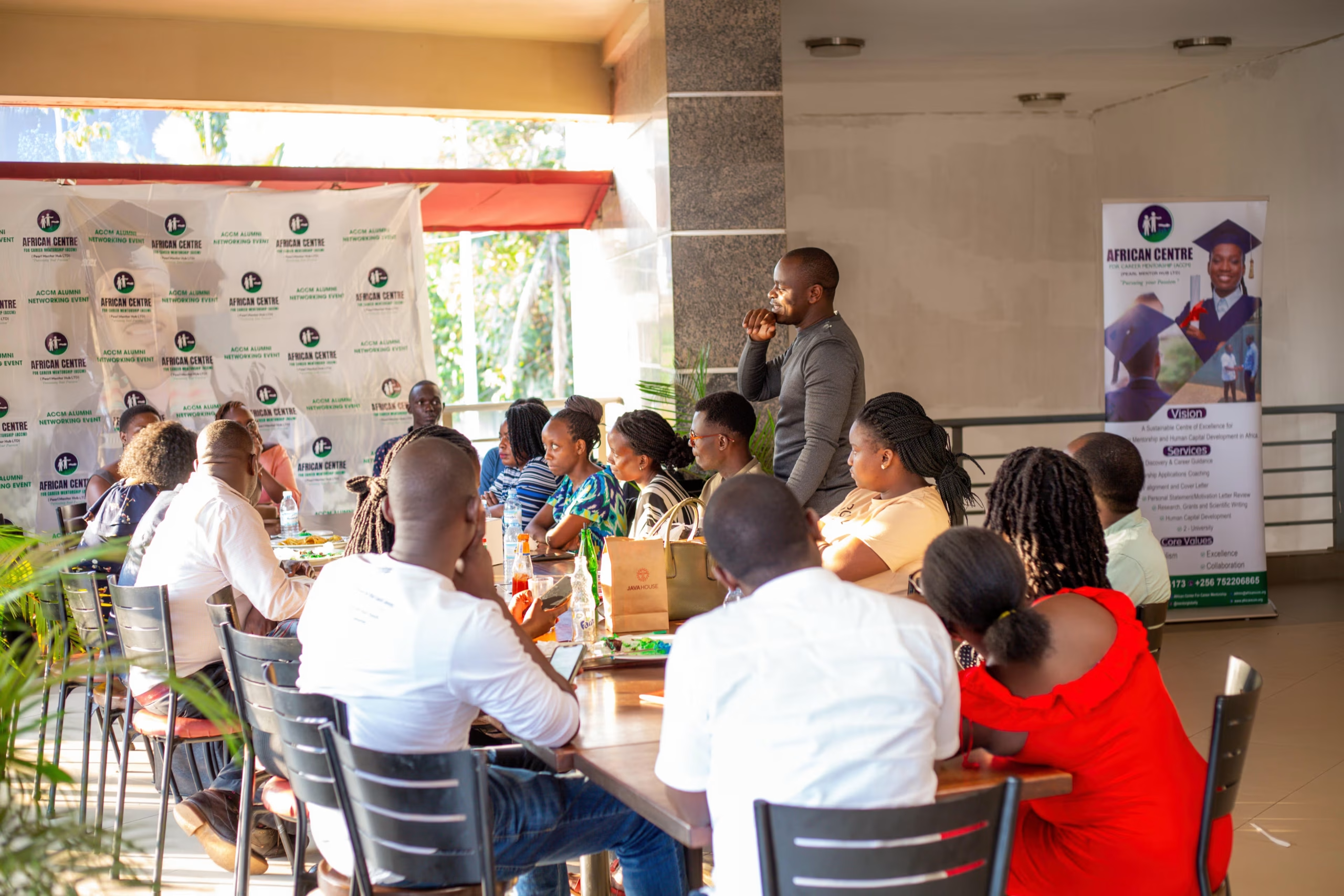
Many young people need guidance, encouragement, and positive role models to help them navigate life challenges and make healthy decisions. Our Mentorship Program connects children and youth with caring mentors who provide emotional support, life guidance, leadership development, and encouragement.

How This Program Benefits Children & Youth

  • Build self-confidence and self-worth
  • Encourages positive decision-making and goal setting
  • Promotes leadership and life skills development
  • Reduces risky behaviors and negative peer influence
  • Provides emotional support and encouragement
  • Inspires youth to pursue education and career goals

Mentorship helps young people believe in themselves and discover their potential.

School Health & WASH Programs

Hand Washing & Hygiene Education

Proper hygiene practices are essential for preventing illness and promoting healthy school environments. We educate students on proper hand washing and personal hygiene practices.

How This Program Benefits Children

  • Reduces the spread of germs and infectious diseases
  • Improves student health and school attendance
  • Creates cleaner and safer school environments

Healthy students are more likely to attend school consistently and perform better academically.

School Health & WASH Programs

Safe Drinking Water Program

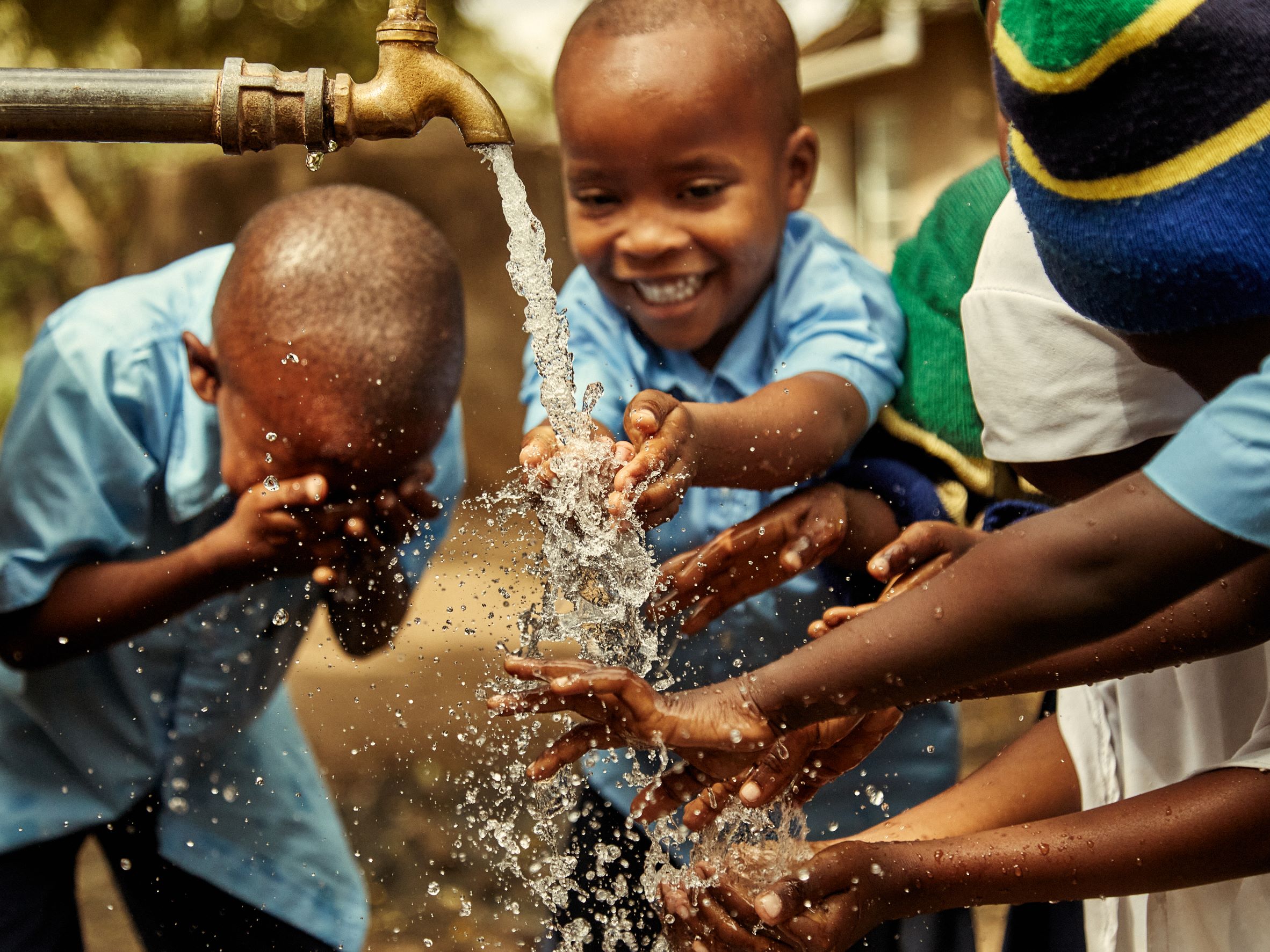
Access to clean and safe drinking water is critical for children’s health and well-being. Our Safe Drinking Water Program supports schools and communities by promoting access to clean water and water safety education.

How This Program Benefits Children

  • Reduces waterborne illnesses and infections
  • Improves student health and energy levels
  • Supports safe and healthy learning environments
  • Helps children stay focused and active in school

Clean water is essential for both education and long-term community health.

School Health & WASH Programs

Menstrual Cycle Education & Pad Distribution Program

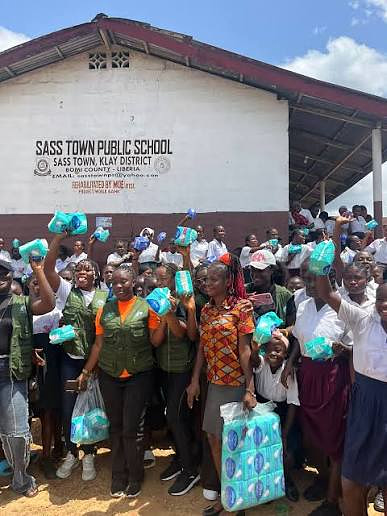
Many girls miss school during their menstrual cycles because of limited access to sanitary products, lack of education, and stigma surrounding menstruation. Our Menstrual Health Program provides menstrual cycle education, hygiene support, and monthly pad distributions to girls in need.

How This Program Benefits Girls

  • Reduces school absenteeism among girls
  • Promotes dignity, confidence, and self-esteem
  • Educates girls about menstrual health and hygiene
  • Reduces stigma and shame surrounding menstruation
  • Helps girls remain active and engaged in school
  • Supports gender equality in education

By supporting menstrual health, we help girls stay in school, protect their health, and pursue their dreams with confidence.

Scholarships and Tuition Assistance

The Scholarship and Tuition Assistance Program helps financially disadvantaged students continue their education by covering school fees, tuition, and other educational expenses. This support enables deserving students to pursue higher education without financial barriers.

Benefits to Low-Income Families

  • Expands access to quality education.
  • Reduces financial hardship.
  • Increases graduation and career opportunities.
  • Helps break the cycle of poverty.